
rConfig Blog
Deep dives on network automation, compliance, security, and the future of configuration management.
Featured




 Network AI Automation
AI in Network Configuration Management: Powerful Tool or Uncontrolled Risk?
The conversation around AI network configuration management has shifted. It is no longer a theoretical discussion for future budget cycles but a present-day reality for technology leaders in large US enterprises. This adoption is a direct response to the sheer, unmanageable complexity of modern hybrid-cloud networks. We have all seen network diagrams that look more like abstract art than engineering blueprints. The scale of these environments, with their thousands of devices and millions of configuration lines, has simply outpaced human capacity for manual oversight.
 Network Automation
Network Automation vs Network Configuration Management: Complementary Roles in the Network Lifecycle
Network automation and network configuration management (NCM) are often conflated. Many engineers assume that automating device configuration is the same as configuration management, or that one discipline can replace the other. In reality, they are two halves of the same lifecycle.
 Network AI Automation
Why “Just Add AI” Is the Fastest Way to Break Your Network
The pressure to integrate AI into network operations is immense, but early adoption is revealing hard lessons. Research from institutions like the Center for Security and Emerging Technology (CSET) shows that modern machine learning systems are “profoundly fragile” and can fail unpredictably when embedded in critical infrastructure. This isn't a distant academic concern. It's a present danger for any team rushing to bolt AI onto their network stack.
 Network Automation
Automation Engineers Don’t Fail — Business Cases Do
You have probably felt the frustration. You designed a brilliant automation solution, a script or workflow that could prevent critical outages, standardize hundreds of devices, and save thousands of hours of manual toil. Yet, the project is stuck. It sits in an approval queue, waiting for a signature that never seems to arrive. The common assumption is that leadership just doesn't "get it."
 Network Automation
From Firefighting to Flight Control: What Networks Can Learn from Aviation
Aviation has achieved a remarkable level of safety through decades of discipline, procedure, and learning from every single flight. Meanwhile, many network operations teams live in a state of perpetual crisis, lurching from one outage to the next. This culture of "firefighting" is not a badge of honor. It is an expensive, exhausting, and unsustainable operational model. Uncontrolled configuration changes are a primary cause of network incidents in large enterprises, turning skilled engineers into reactive problem solvers instead of strategic architects. The constant emergencies erode morale and prevent forward progress. To escape this cycle, we must shift our perspective from reactive firefighting to proactive flight control. The principles that make air travel incredibly safe provide a powerful blueprint for building predictable and resilient operational safety networks.
 Network Automation
The Hidden Cost of Hero Engineers
In every IT department, there seems to be one: the go-to expert. This is the person who can parachute into a major outage at 2 AM and, through a combination of deep institutional knowledge and sheer force of will, bring critical systems back online. They are celebrated, rewarded, and seen as indispensable. This is the "hero engineer," a figure born not of malice but from a flawed operational model that concentrates critical knowledge in one individual.
 Network Automation
Why Network Automation Is an Insurance Policy Not a Cost Center
When business leaders evaluate network automation, the conversation often defaults to a familiar place: operational efficiency. We calculate hours saved, headcount reallocated, and the incremental gains of faster deployments. While these metrics are valid, they miss the fundamental value proposition. Viewing network automation as a simple cost-saving tool is like valuing an insurance policy based on the quality of the paper it’s printed on.
 Network Automation
The CFO Doesn’t Care About Configs — But They Care About This
Your network team tracks uptime, latency, and packet loss. Your CFO tracks EBITDA, operating margins, and risk exposure. This is the fundamental communication gap that often leaves critical infrastructure investments on the back burner. While you see a router configuration as a set of technical instructions, your finance chief sees a potential single point of failure for revenue generation.
 Network Automation
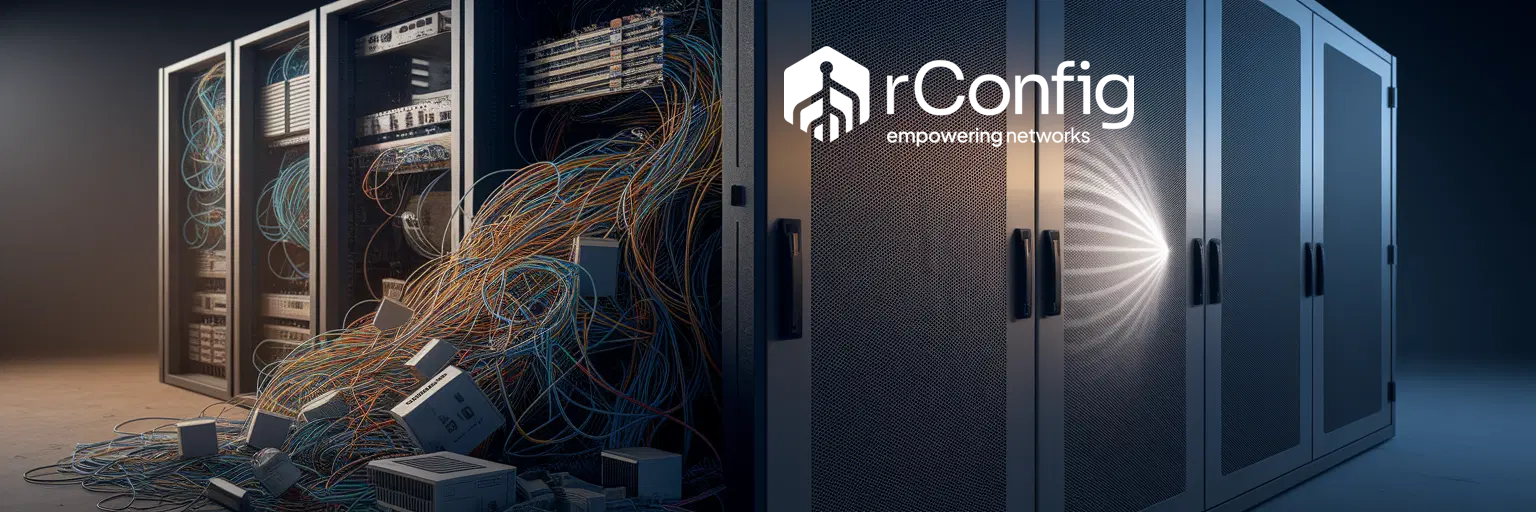
Your Network Is Already Automated — Just Badly
Many IT leaders believe their networks are manually managed, holding off on automation because they fear the risk. Here’s the uncomfortable truth: your network is already automated. It’s just happening in the shadows, through a chaotic mix of ad-hoc scripts, forgotten cron jobs, and processes that exist only in the minds of a few senior engineers. This is shadow automation, and it’s far more dangerous than any formal platform.